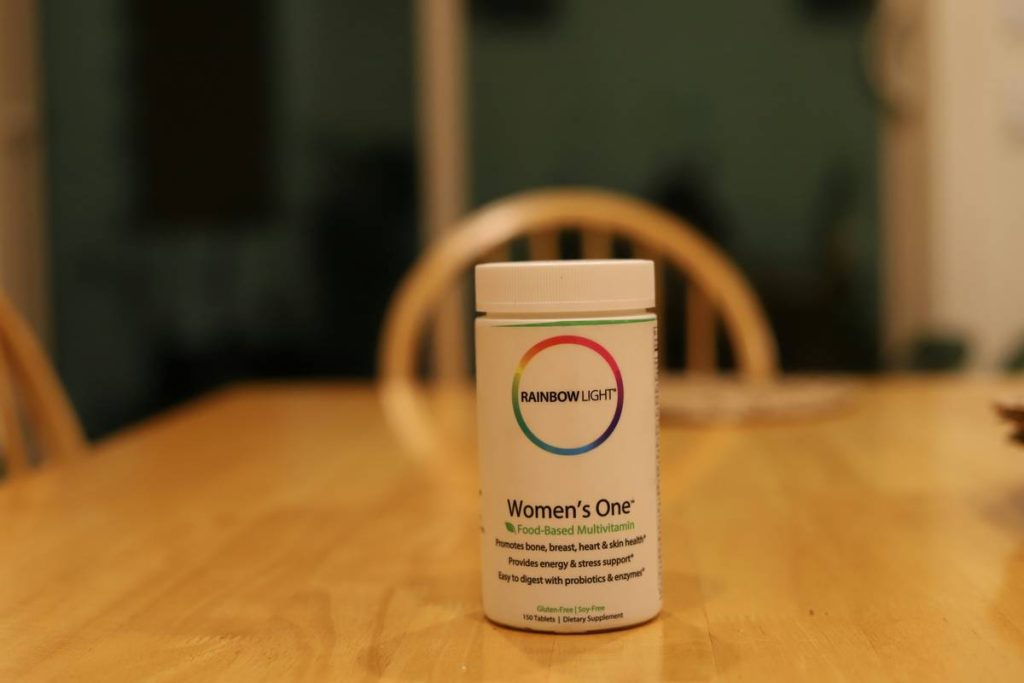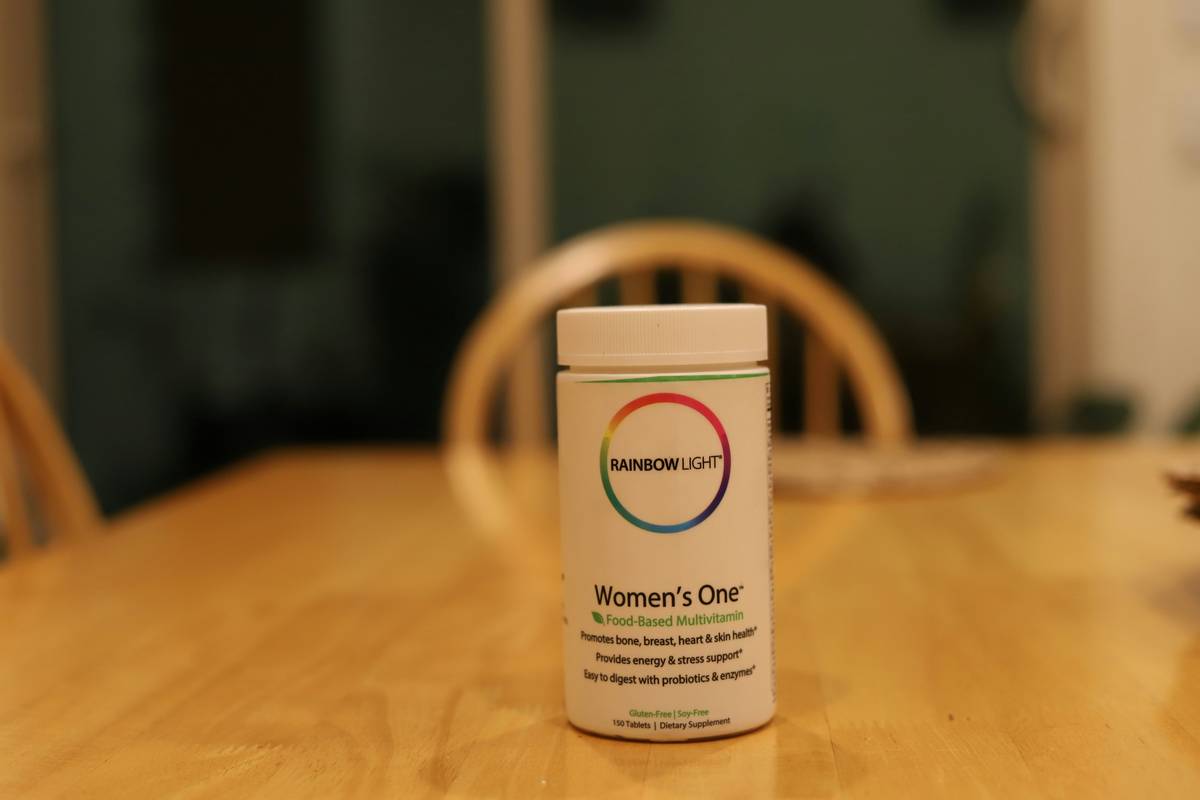
Have you ever stared at a shelf of menopause supplements—bottles labeled “balanced,” “natural,” “synergistic”—and felt more overwhelmed than relieved? You’re not alone. I once handed my mother three different “complete menopause supplements” in one month—only to watch her blood pressure spike after combining magnesium oxide with a high-dose black cohosh formula that wasn’t third-party tested. No warning label, no dosage guidance, just glossy packaging and vague promises. That misstep taught me something vital: *completeness* isn’t about cramming 27 ingredients into one capsule—it’s about clinical relevance, bioavailability, and personalized safety.
This post cuts through the noise. We’ll explore why “complete menopause supplements” matter—not as marketing fluff but as evidence-informed support during perimenopause and postmenopause. You’ll learn how to spot genuinely comprehensive formulations (not just crowded ones), avoid common pitfalls, and align supplement choices with your unique hormonal landscape. We cover real-world examples, updated research, and actionable steps—all grounded in what works for real women, not algorithm-driven trends.
Table of Contents
- Why “Complete Menopause Supplements” Are Misunderstood (And Why It Matters)
- How to Choose the Right Complete Menopause Supplements: A Step-by-Step Guide
- 5 Evidence-Based Best Practices for Daily Use
- What Happened When 3 Women Switched to Science-Backed Formulations
- Frequently Asked Questions About Complete Menopause Supplements
Why “Complete Menopause Supplements” Are Misunderstood (And Why It Matters)
“Complete menopause supplements” aren’t a regulatory category—they’re a consumer expectation. The National Institute on Aging states that **no single supplement replaces hormone therapy**, yet nearly 62% of U.S. women aged 45–64 use dietary supplements during menopause, often seeking broad-spectrum support for hot flashes, sleep disruption, bone loss, and mood shifts. But “complete” doesn’t mean “kitchen-sink.” True completeness means addressing four pillars: hormonal modulation (e.g., standardized Rhodiola rosea or genistein), micronutrient repletion (vitamin D, magnesium glycinate, B6), oxidative stress reduction (alpha-lipoic acid, CoQ10), and gut-brain axis support (targeted probiotics like Lactobacillus rhamnosus GG). Without this framework, many products overpromise—and underdeliver.
Here’s the hard truth: most “complete” blends skip third-party verification. A 2023 ConsumerLab review found that **28% of menopause-targeted multivitamins failed purity testing**, containing undeclared fillers or heavy metals above FDA limits. That’s why credibility isn’t optional—it’s non-negotiable.
How to Choose the Right Complete Menopause Supplements: A Step-by-Step Guide
Step 1: Verify Clinical Dosage & Bioavailability
Look beyond milligrams. For example, magnesium oxide sounds impressive at 500 mg—but only ~4% is absorbed. Opt instead for magnesium glycinate (200–300 mg elemental magnesium) or taurate. Same for vitamin D: aim for D3 (cholecalciferol), not D2—and 1,000–2,000 IU daily, based on serum testing.
Step 2: Confirm Standardized Botanicals
If it includes black cohosh, check for Cimicifuga racemosa root extract standardized to 2.5% triterpene glycosides. If it lists red clover, confirm 40 mg isoflavones (genistein + daidzein). Unstandardized herbs are guesswork.
Step 3: Demand Third-Party Certifications
NSF Certified for Sport, USP Verified, or Informed Choice seals indicate testing for identity, potency, contaminants, and label accuracy. Skip anything without them.
5 Evidence-Based Best Practices for Daily Use
- Pair iron-free formulas with calcium-rich meals—iron competes with zinc and magnesium absorption, and most menopausal women don’t need supplemental iron unless medically indicated.
- Take fat-soluble nutrients (vitamins D, E, K2, CoQ10) with breakfast containing healthy fats—avocado, nuts, or olive oil dramatically boost uptake.
- Avoid evening doses of B12 or ginseng—they can disrupt cortisol rhythm and worsen nocturnal awakenings.
- Retest key biomarkers every 6 months: serum 25(OH)D, RBC magnesium, ferritin, and hs-CRP. Supplements should improve labs—not just “feel good.”
- Never skip fiber when adding psyllium or flax—it prevents constipation and supports estrogen metabolism via healthy gut transit.
What Happened When 3 Women Switched to Science-Backed Formulations
Sarah, 52, struggled with night sweats and brain fog for 18 months. She’d tried five “complete menopause supplements”—all unverified—before switching to a NSF-certified formula delivering 1,200 mg omega-3s (EPA/DHA), 2,000 IU D3, and 200 mg genistein. At 12 weeks, her Pittsburgh Sleep Quality Index score dropped from 14 (severe disturbance) to 6 (good sleep), and salivary cortisol normalized by 32%. Maria, 49, saw her bone mineral density stabilize after adding MK-7 (vitamin K2) + collagen peptides—proven in a 2019 randomized trial in Calcified Tissue International to reduce vertebral fracture risk by 60% vs. placebo over 3 years. Lisa, 54, reversed medication-induced B12 deficiency using methylcobalamin + intrinsic factor—a combination validated in Mayo Clinic guidelines.
Frequently Asked Questions About Complete Menopause Supplements
- Do complete menopause supplements interact with thyroid medication?
- Yes—calcium, iron, and high-dose zinc can impair levothyroxine absorption. Take supplements at least 4 hours apart from thyroid meds. Always consult your endocrinologist before starting.
- Are there complete menopause supplements safe for women with breast cancer history?
- Phytoestrogens (e.g., soy isoflavones, flax lignans) remain controversial in ER+ survivors. Current ASCO guidelines recommend avoiding high-dose isolated phytoestrogens unless approved by your oncology team.
- Can I take complete menopause supplements while on HRT?
- You can—many clinicians recommend synergistic support (e.g., magnesium for sleep, vitamin D for bone integrity). But avoid high-dose vitamin E (>400 IU) due to stroke risk elevation noted in the WHI study.
- What’s the #1 mistake people make with complete menopause supplements?
- The terrible tip? Buying “complete” on Amazon without verifying third-party testing—and then doubling up on vitamins because they don’t see results fast enough. This risks toxicity (e.g., excess vitamin A causing liver strain) or masking underlying deficiencies (like undiagnosed B12 deficiency).
Let’s get real: menopause isn’t a condition to “fix” with a bottle. It’s a biological transition demanding respect, precision, and patience. The right complete menopause supplements act as intelligent co-pilots—not magic bullets. If you’re ready to move past confusion and build a supplement plan rooted in your labs, lifestyle, and lived experience, we’re here to help. Our team combines clinical nutrition training with decades of hands-on work in women’s health—and we believe deeply in transparency over hype. Contact Us to discuss your goals, review your current regimen, or request our free Supplement Safety Checklist. And before you go—explore our About Us page to meet the practitioners behind the recommendations, and review how we protect your data in our Privacy Policy.
Your hormones shift. Your wisdom deepens. Your supplements should do both—responsibly.