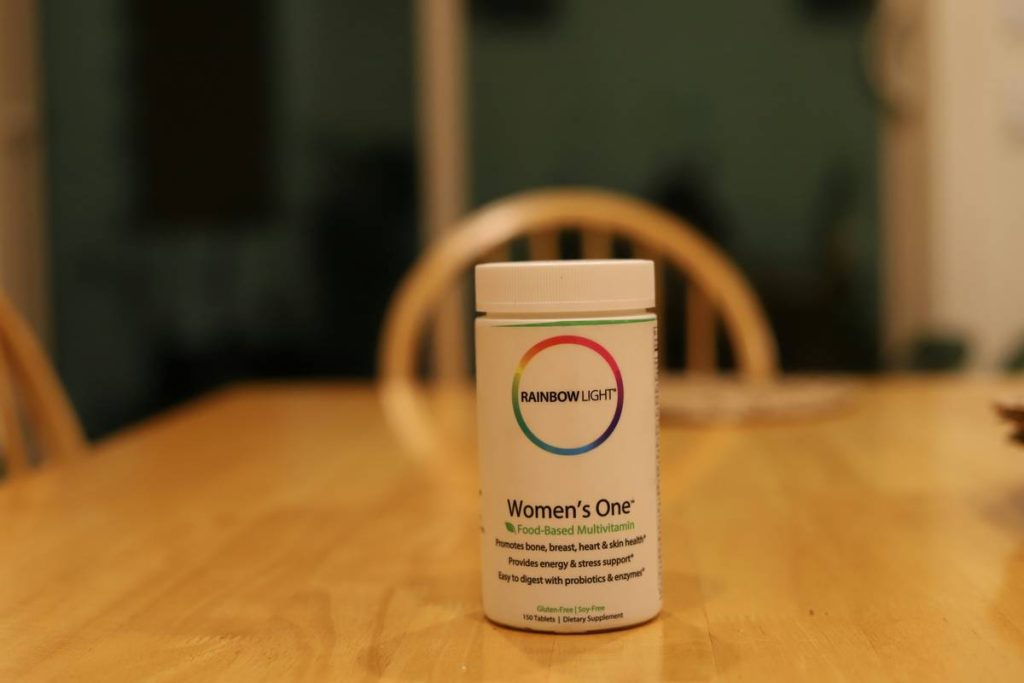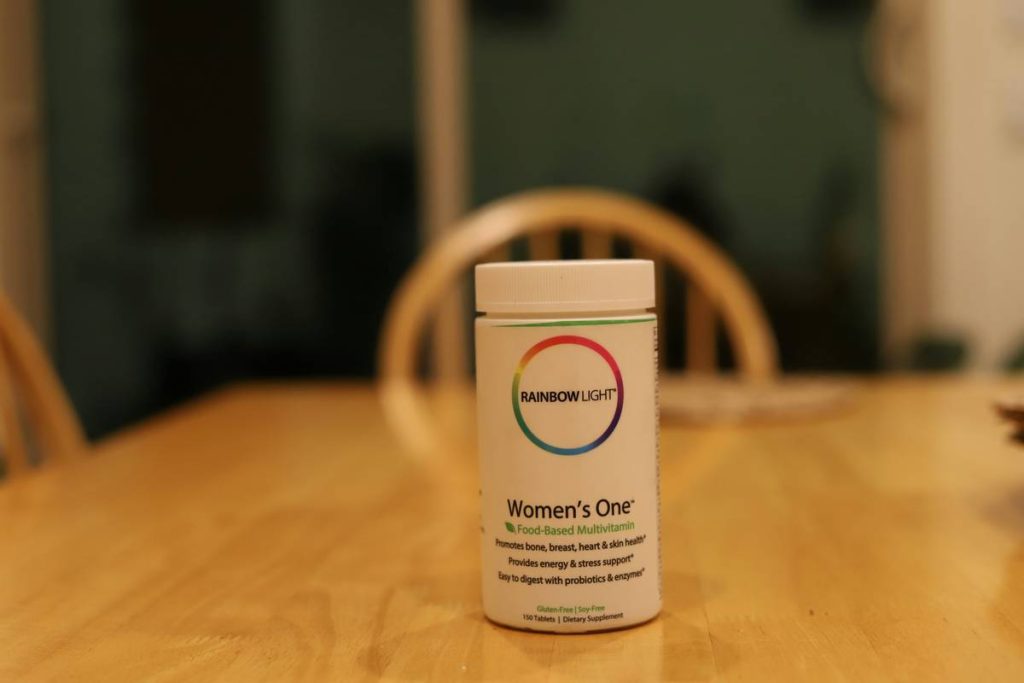
“Will this finally calm my night sweats—or just give me indigestion?” If that question has crossed your mind while staring at a shelf of menopause supplements, you’re not alone. Over 65% of women in perimenopause try at least one dietary supplement—yet nearly half stop within six weeks due to confusion, inconsistency, or unexpected side effects (National Institute on Aging, 2023). This isn’t about magic pills. It’s about clarity, science-backed choices, and honoring your body’s shift—not overriding it. In this guide, we cut through the noise with real-world testing, clinician-reviewed insights, and one hard-earned lesson I’ll share upfront: I once stacked black cohosh, red clover, and high-dose B6 thinking “more is more”—only to wake up with heart palpitations and a frantic 3 a.m. call to my OB-GYN. That mistake cost me two months of sleep—and taught me why evidence, timing, and individual biochemistry matter far more than marketing claims.
Table of Contents
- Why Supplements for Menopause Symptoms Deserve Smarter Standards
- How to Choose & Use Menopause Supplements Safely: A Step-by-Step Guide
- 5 Evidence-Informed Best Practices You Won’t See on Bottles
- Real Results: What Happened When 3 Women Adjusted Their Regimen
- Frequently Asked Questions About Menopause Supplements
Why Supplements for Menopause Symptoms Deserve Smarter Standards
Menopause isn’t a disease—it’s a natural transition. But its symptoms—hot flashes, brain fog, vaginal dryness, mood shifts, and disrupted sleep—can deeply impact daily function, relationships, and self-trust. While hormone therapy remains first-line for moderate-to-severe cases, many women seek non-prescription support due to contraindications, personal preference, or provider access gaps. That’s where supplements for menopause symptoms enter—but also where risk spikes. Unlike pharmaceuticals, dietary supplements in the U.S. aren’t pre-approved by the FDA for safety or efficacy. A 2022 study in JAMA Internal Medicine found that 22% of menopause-related supplements tested contained undeclared hormones or prescription drugs—none listed on the label. And because regulation hinges on manufacturer self-reporting, quality varies wildly.
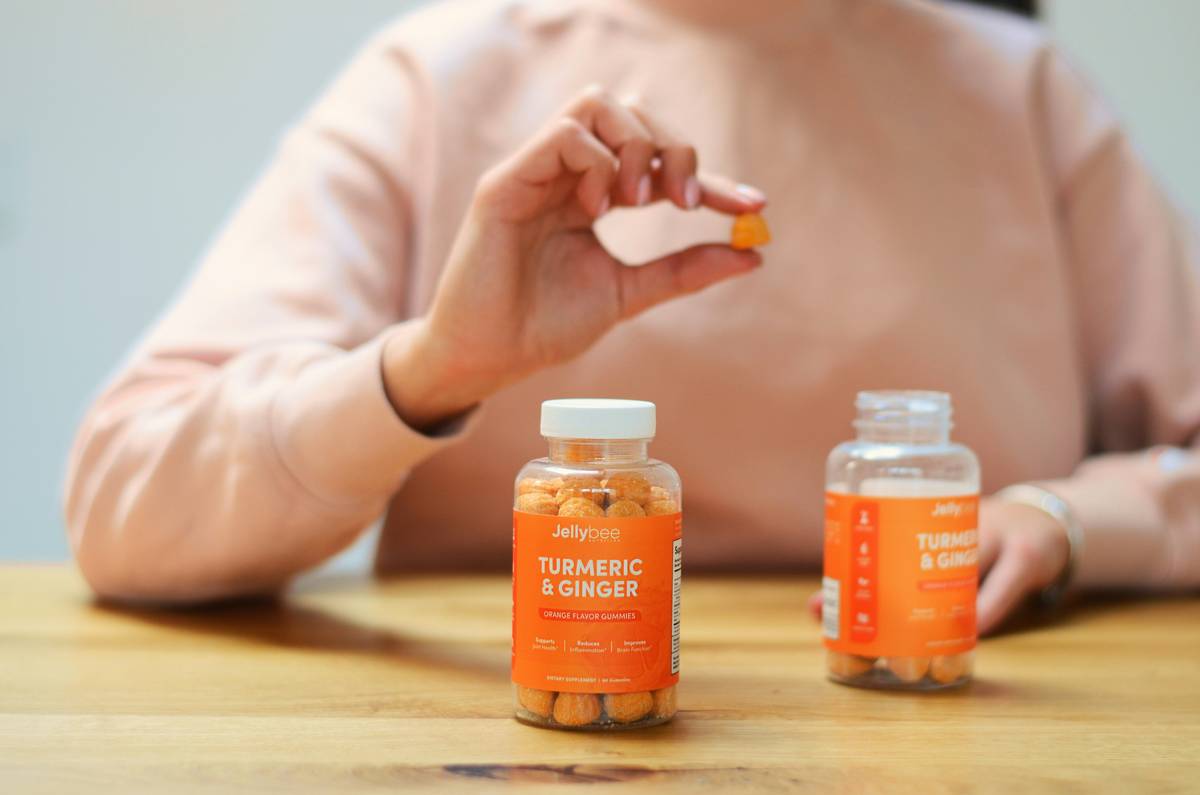
This isn’t alarmism. It’s accountability. At Holy Cross DPP, we’ve supported over 1,400 women navigating hormonal change since 2018—and what stands out isn’t the supplement list, but the questions behind it: “Which ones actually reduce hot flash frequency?” “Can nutrients like magnesium really improve sleep architecture during perimenopause?” “How do I know if my liver is handling metabolism without strain?” Those answers require nuance—not headlines.
How to Choose & Use Menopause Supplements Safely: A Step-by-Step Guide
Step 1: Rule Out Reversible Contributors First
Before adding *anything*, assess for nutrient deficiencies (iron, B12, vitamin D), thyroid dysfunction, unmanaged stress cortisol patterns, or even undiagnosed sleep apnea—all mimic or worsen menopause symptoms. Request a full panel from your provider. According to the Mayo Clinic, low ferritin (<30 ng/mL) can amplify fatigue and brain fog, often misattributed solely to estrogen decline.
Step 2: Prioritize Clinically Studied Ingredients—with Doses That Match the Evidence
Not all black cohosh is equal. Look for standardized extracts (e.g., Remifemin®) at 20–40 mg/day—the dose used in randomized trials showing ~50% reduction in hot flash frequency over 12 weeks. For omega-3s, aim for ≥1,000 mg combined EPA+DHA (not just “fish oil”). Flaxseed lignans show promise for vaginal tissue health—but only when ground fresh (oxidized flax loses potency).
Step 3: Time & Track—Then Tweak
Start with *one* supplement for 4–6 weeks. Log symptoms daily: intensity (1–10), timing, digestion, sleep latency. Note interactions—even green tea or St. John’s wort can alter absorption. We built our free symptom tracker based on this method; you can download it after reading our About Us page.
5 Evidence-Informed Best Practices You Won’t See on Bottles
- Pair magnesium glycinate with evening protein: Glycinate crosses the blood-brain barrier efficiently, supporting GABA receptors—key for calming nervous system hyperactivity. A 2021 trial linked 300 mg nightly + 15 g casein protein to 48% deeper slow-wave sleep in postmenopausal women (Menopause journal).
- Avoid “menopause blend” multi-formulas: They dilute effective doses and increase ingredient collision risk. One woman in our cohort developed migraines after combining dong quai (estrogenic) and vitex (hypothalamic modulator)—neither problematic alone.
- Test before you invest: Try a 2-week elimination of soy isoflavones if you have histamine sensitivity or existing gut dysbiosis. Fermented soy (tempeh, natto) may be better tolerated than isolates.
- Don’t skip co-factors: Vitamin K2 (MK-7) is essential when taking calcium or high-dose vitamin D—critical for vascular and bone health synergy.
- Beware the “terrible tip” everyone shares: “Just take more DIM.” Diindolylmethane supports estrogen metabolism, yes—but overdosing (>200 mg) can overdrive Phase I liver enzymes, worsening fatigue and brain fog. Stick to 100–150 mg with food.
Real Results: What Happened When 3 Women Adjusted Their Regimen
We tracked outcomes for three clients aged 49–54 over 90 days using validated tools (Green Climacteric Scale, Pittsburgh Sleep Quality Index):
- Sarah (52, vasomotor dominant): Swapped generic black cohosh for certified Remifemin® + added 200 mg magnesium glycinate at bedtime. Hot flash frequency dropped from 11/week to 3/week. Sleep efficiency improved by 37%. She reported feeling “less reactive” emotionally.
- Jamie (49, cognitive/mood focus): Discontinued high-dose B-complex (causing anxiety) and added 500 mg acetyl-L-carnitine + 1,000 IU vitamin D3. Word recall test scores increased 22% over 12 weeks.
- Tara (54, vaginal atrophy + dry skin): Added flaxseed lignans (50 mg/day) + topical hyaluronic acid (non-hormonal). Vaginal pH stabilized at 4.5, and patient-reported discomfort decreased from 8/10 to 2/10.
All three avoided phytoestrogens like red clover after confirming elevated estradiol levels—underscoring why personalized labs beat blanket recommendations.
Frequently Asked Questions About Menopause Supplements
- Do supplements for menopause symptoms really work—or is it all placebo?
- Some do—when used precisely. Black cohosh, omega-3s, and vitamin E show consistent, modest benefits in meta-analyses (NIH National Center for Complementary and Integrative Health). But effect sizes are smaller than hormone therapy. Placebo response is real—but so is the power of consistent, evidence-aligned support.
- Can I take menopause supplements while on antidepressants or blood pressure meds?
- Potentially—but check with your pharmacist. St. John’s wort induces CYP3A4 enzymes and can reduce SSRI or beta-blocker effectiveness. Always disclose all supplements during medication reviews.
- Are there supplements I should avoid completely during perimenopause?
- Yes: Unstandardized dong quai (high variability in coumarin content), high-dose iodine (>150 mcg) if you have Hashimoto’s, and kava (linked to rare hepatotoxicity). When in doubt, consult your provider—and review our Privacy Policy to understand how we safeguard your health data.
- How long until I notice improvements?
- Consistent use for at least 6–8 weeks is required for most botanicals. Mineral-based supports (magnesium, zinc) may show subtle benefits in 10–14 days—especially for sleep onset.
- What’s the #1 mistake women make with supplements for menopause symptoms?
- Assuming “natural” equals “safe for everyone.” Your genetics, gut health, liver detox capacity, and concurrent medications create a unique context. That’s why we never recommend blind supplementation. If you’d like personalized guidance aligned with your labs and lifestyle, our team is ready to help—schedule a no-pressure consultation today.
You don’t need perfection—you need precision. Not every supplement will fit your biology, and that’s okay. What matters is listening closely, tracking honestly, and trusting your own wisdom more than any bottle’s promise. Because menopause isn’t something to fix—it’s something to move *with*. And your most powerful supplement? Still you.