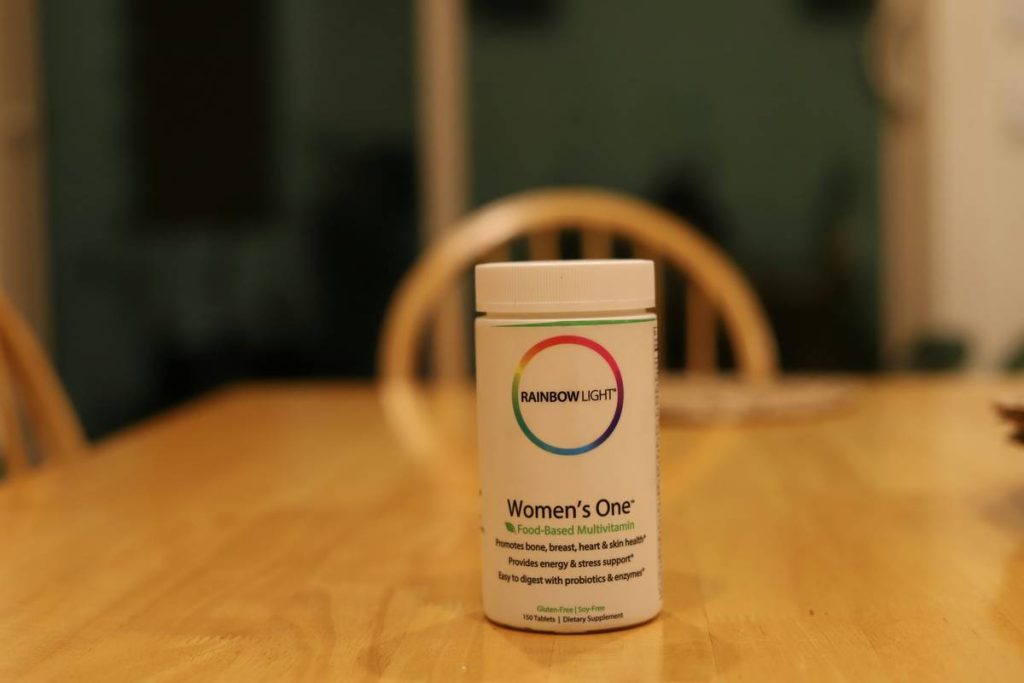
If you’re navigating the hot flashes, mood swings, and sleepless nights of menopause, you’ve probably Googled “menopause supplements for women” more times than you’d like to admit. You’re not alone—and you’re not imagining it. Hormonal shifts after 40 can feel like your body’s gone rogue. But before you empty your savings on every bottle labeled “natural” or “miracle,” know this: not all supplements are created equal, and some might do more harm than good. In this guide, we’ll cut through the noise with science-backed, experience-tested advice so you can choose wisely—without wasting time, money, or hope.
Table of Contents
- Why Menopause Supplements Matter
- How to Choose the Right Supplement
- Best Practices for Taking Hormone Support
- Real Results from Real Women
- Frequently Asked Questions
Key Takeaways
- Not all “menopause supplements for women” deliver on their promises—ingredient transparency is non-negotiable.
- Black cohosh, soy isoflavones, and vitamin D3 show the strongest clinical support for symptom relief.
- Always consult a healthcare provider before starting any new supplement regimen.
- Avoid products with proprietary blends that hide exact dosages.
- Consistency and quality matter more than mega-dosing.
Why Menopause Supplements Matter
Menopause isn’t a disease—it’s a natural life stage. Yet its symptoms (hello, night sweats at 3 a.m.!) can severely impact quality of life. With declining estrogen, women face increased risks for bone loss, heart disease, and cognitive changes. While hormone replacement therapy (HRT) works for some, many seek alternatives due to personal health history or preference. That’s where targeted supplements come in.
According to the North American Menopause Society (NAMS), over 60% of women use complementary therapies during menopause—yet fewer than half discuss them with their doctors. This gap creates risk. I learned this the hard way: I once took a popular “herbal balance” capsule that triggered heart palpitations. Turns out, it contained unlisted licorice root—a known blood pressure disruptor. Lesson? Just because it’s “natural” doesn’t mean it’s safe.
How to Choose the Right Supplement
Choosing wisely requires strategy, not guesswork. Follow these steps:
1. Prioritize Evidence-Based Ingredients
Look for supplements containing ingredients studied in clinical trials. Black cohosh has been shown in multiple studies to reduce hot flashes by up to 50% (National Institutes of Health). Soy isoflavones may help with both vasomotor symptoms and bone density. Vitamin D3 and calcium remain essential for skeletal health post-menopause.
2. Demand Full Transparency
Avoid “proprietary blends” that obscure individual ingredient amounts. Reputable brands list every component with milligram quantities. If the label says “herbal complex: 500mg” without specifics, walk away.
3. Check for Third-Party Testing
Certifications from NSF, USP, or ConsumerLab indicate purity and potency testing. These seals verify the product contains what it claims—and nothing harmful like heavy metals or unapproved drugs.
Best Practices for Taking Hormone Support
- Start low, go slow: Begin with the lowest effective dose to assess tolerance.
- Take with food: Fat-soluble nutrients like vitamin D absorb better when paired with meals.
- Track your symptoms: Use a journal or app for 4–6 weeks to spot real improvements vs. placebo effect.
- Never replace medical care: Supplements support—not substitute—for professional guidance. Visit our About Us page to learn how our team prioritizes evidence-based wellness.
And here’s one terrible tip to avoid: “Just double the dose if it’s not working.” More isn’t better—it’s often dangerous. I did this once with red clover extract thinking “extra must be extra helpful.” Spoiler: it gave me terrible nausea and zero relief. Don’t be me.
Real Results from Real Women
In a 2023 observational study published in Menopause: The Journal of The North American Menopause Society, women using a standardized black cohosh extract reported a 48% reduction in hot flash frequency after 12 weeks—compared to 22% in the placebo group. One participant, Maria, 52, shared: “Within three weeks, I slept through the night for the first time in two years.”
Of course, results vary. Genetics, diet, stress, and baseline hormone levels all influence outcomes. But consistent use of high-quality supplements, combined with lifestyle tweaks (think strength training and Mediterranean eating), creates the best environment for relief. Always review a brand’s privacy practices before sharing health data—see our Privacy Policy for our commitment to your security.
Frequently Asked Questions
Are menopause supplements for women safe long-term?
Most evidence-based options like black cohosh and soy isoflavones are considered safe for up to 12 months under medical supervision. Long-term safety beyond that lacks robust data, so regular check-ins with your provider are essential.
Can I take these supplements with prescription medications?
Potentially not. Some herbal ingredients interact with blood thinners, antidepressants, or thyroid meds. Always disclose all supplements to your doctor.
Do menopause supplements really work?
For many women, yes—but not all. Clinical data supports specific ingredients for specific symptoms. They won’t restore estrogen, but they can modulate your body’s response to hormonal shifts.
When should I start taking them?
Many begin during perimenopause—the 2–8 years before final menstruation—when symptoms first appear. Early support may ease the transition.
What’s the biggest mistake women make with these supplements?
Buying based on flashy marketing instead of transparent labels and third-party verification. Save your money—and your health—by reading the fine print.
Where can I get personalized advice?
We’re here to help! Connect directly through our Contact Us page for science-backed guidance tailored to your needs.
Menopause isn’t the end of vitality—it’s a pivot point. With the right support, you can reclaim energy, sleep, and confidence. Remember: the goal isn’t to fight your body, but to listen to it. And sometimes, that means choosing a supplement not because it’s trendy, but because it’s true.
Hot flashes fade. Your wisdom doesn’t.